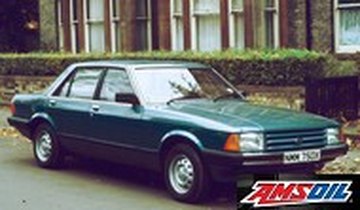
Lubrication Maintenance for the 1981 Ford GRANADA 2.3L
Maintaining the mechanical integrity of a vehicle like the 1981 Ford GRANADA requires a disciplined approach to routine service. For engines such as the 2.3L, consistent lubrication management is one of the most effective ways to support long-term operation. While many aspects of automotive care involve complex mechanical repairs, much of the foundational work involves monitoring fluid health and ensuring that all moving parts receive the appropriate protection.
Monitoring Fluid Integrity and Potential Leaks
A primary component of engine care is the regular observation of the vehicle's operating fluids. For an owner of a 1981 Ford GRANADA, periodic visual inspections can provide early indicators of where maintenance may be required. Rather than waiting for a significant event, a proactive approach involves looking for signs of seepage or active leaks around the engine area.
When performing routine checks, it is useful to look at the following areas:
- Sealing Surfaces: Inspect various gaskets and seals for any evidence of weeping or oily residue. Even minor seepage can eventually lead to lower fluid levels if left unaddressed.
- Drain Areas: Check the area around the oil drain plug and the filter mounting surface for signs of recent disturbance or slow leaks.
- External Components: Observe the exterior of the engine block and surrounding components for any accumulation of dark, oily grime, which can often indicate a slow leak from an aging seal.
If you notice changes in the appearance of the oil—such as unusual discoloration or a significant change in texture—it warrants further investigation. Similarly, if the vehicle appears to be consuming more lubricant than is typical for its service history, this should be monitored closely.
Managing Maintenance Records and Service History
For vehicles that have been in operation for several decades, the quality of maintenance often depends on the continuity of care. Establishing a clear baseline of what has been done to the 1981 Ford GRANADA is an essential step for any owner. If you are currently managing a vehicle with an incomplete service history, your first priority should be to document its current state.
Creating a maintenance log allows you to track when fluids were last changed and which components have been replaced. This documentation helps in distinguishing between routine preventive tasks and necessary repairs. For example, knowing the age of various rubber components or the frequency of fluid changes can help you prioritize upcoming service needs. If previous repair records are unavailable, treating the vehicle as if it requires a comprehensive inspection of all aging materials is a prudent way to establish a new baseline for ownership.
Consistent record-keeping also assists in identifying patterns. If a specific component or seal shows signs of repeated seepage, having a history of those observations can assist a technician in finding the root cause more efficiently.
Observing Potential Warning Signs
While many maintenance tasks are proactive, some require immediate attention based on symptoms observed during operation. It is important to remember that various mechanical issues can present similar symptoms; therefore, an observation should be treated as a prompt for inspection rather than a definitive diagnosis.
Owners should remain attentive to the following:
- Fluid Consumption: A noticeable drop in fluid levels between service intervals is a signal that requires investigation.
- Unusual Odors: The presence of an oil-related odor, particularly after the engine has reached operating temperature, may indicate that lubricant is contacting a hot surface.
- Visual Indicators: Any warning lights or indicators on the dashboard related to engine operation should be addressed immediately.
- Mechanical Changes: Any changes in how the engine sounds or operates during startup or idling can be associated with various lubrication or mechanical conditions.
If any of these signs occur, the most effective course of action is to perform a thorough visual inspection and consult the vehicle's specific service requirements to determine the next steps.
Prioritizing Long-Term Engine Care
As a vehicle ages, the strategy for maintenance often shifts from simple part replacement to more comprehensive condition monitoring. For the 1981 Ford GRANADA, this means using the actual condition of components rather than just their age to decide when service is necessary.
Effective prioritization involves addressing active issues first—such as a visible leak or an unusual noise—before moving on to broader preventive measures. When reviewing the vehicle's needs, consider the following hierarchy of care:
- Immediate Concerns: Address any active leaks, warning lights, or significant fluid loss immediately to prevent further complications.
- Condition-Based Maintenance: Instead of replacing parts based solely on a calendar year, inspect hoses and accessible belts (if equipped) for signs of cracking, glazing, or fraying. Replace these components when their physical condition suggests they are nearing the end of their service life.
- Systematic Monitoring: Regularly check the condition of electrical connections and various fluid levels to ensure the vehicle remains in a stable operating state.
By focusing on the current physical state of the engine and its supporting systems, an owner can avoid unnecessary expenditures while ensuring that critical maintenance is never overlooked.
Practical Considerations for Aging Components
In older vehicles, the integrity of various materials can change over time due to heat cycles and environmental exposure. While it is not a rule that every old component is failing, it is practical to be more observant of aging materials. This includes inspecting any visible hoses or wiring harnesses for signs of brittleness or degradation. If the vehicle is equipped with various drive belts, checking them for tension and surface integrity is a useful part of a routine inspection.
Furthermore, if there are signs of previous neglect—such as heavy sludge buildup or evidence of improper fluid use—it may be necessary to perform more frequent inspections until the engine's baseline condition is stabilized. The goal is to move from a reactive state (fixing things when they break) to a proactive state (maintaining things so they do not break).
Buying Engine Oil for your 1981 Ford GRANADA 2.3L
When it is time to replenish the lubricant in your engine, the most important step is to ensure that the product you select matches the specific requirements of your application. For this 1981 Ford GRANADA 2.3L, do not rely on general automotive knowledge or assumptions based on the vehicle's age to choose a grade.
Instead, match the engine oil to the application-specific viscosity information already displayed on this webpage. Before finalizing your purchase, carefully check the product labeling to confirm it meets the necessary standards for your specific engine. You may consider different formulations, such as conventional, synthetic blends, or high-mileage oils, depending on what is appropriate for your vehicle's current condition and the guidance provided in the application information above. Always verify that the oil you are buying is compatible with the requirements listed for this exact 2.3L engine to ensure optimal performance and protection.